The Evolution of Python: A Detailed History and Major Achievements

Python

Python is one of the most versatile and widely used programming languages today, prized for its simplicity, readability, and powerful set of libraries that cater to various applications. Its history is marked by innovation and steady improvement, allowing it to grow into a dominant force in fields ranging from web development to artificial intelligence. In … Read full article: The Evolution of Python: A Detailed History and Major Achievements

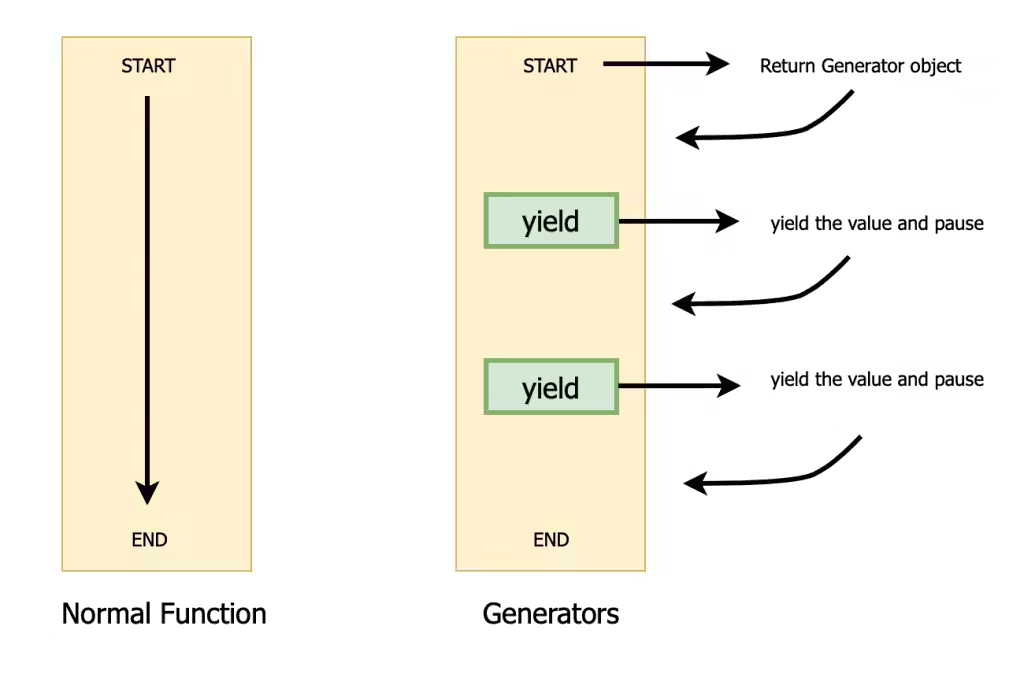
Generators in Python

Generators

Generators in Python are a special type of iterable, allowing you to iterate over a sequence of values without storing the entire sequence in memory at once. They are particularly useful when working with large datasets or sequences that would be inefficient to store entirely in memory. Instead, generators produce values one at a time, … Read full article: Generators in Python

Exploring Fascinating Features of Python

Features of Python

Python is one of the most popular programming languages due to its simplicity, readability, and versatility. It’s used across various fields like web development, data science, machine learning, automation, and more. Let’s dive into some of the most intriguing aspects of Python that you might not know about! Dynamic Typing Variables in Python are dynamically … Read full article: Exploring Fascinating Features of Python

Understanding lambda(), map(), and filter() in Python

lambda

Python is renowned for its readability, flexibility, and simplicity, making it a favourite among programmers. Among its powerful features are the filter(), map(), and lambda() functions. These tools enable cleaner, more efficient code by supporting functional programming constructs in Python. In this article, we’ll dive deep into these functions, exploring their syntax, usage, and practical … Read full article: Understanding lambda(), map(), and filter() in Python

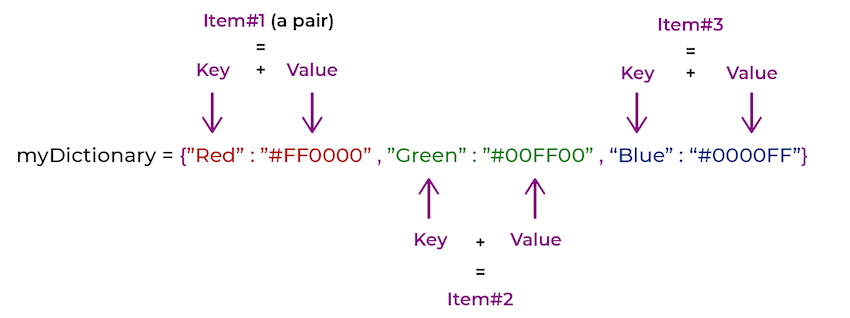
Mastering Python: Lists, Dictionaries, Tuples, and Sets

dictionary

Python programmers should be familiar with four fundamental data structures: lists, dictionaries, tuples and sets. Each of these structures has unique properties and use cases. In this article, we’ll delve into the details of these data structures, covering their creation, usage, and common operations. Python Collections There are four collection data types in the Python … Read full article: Mastering Python: Lists, Dictionaries, Tuples, and Sets